
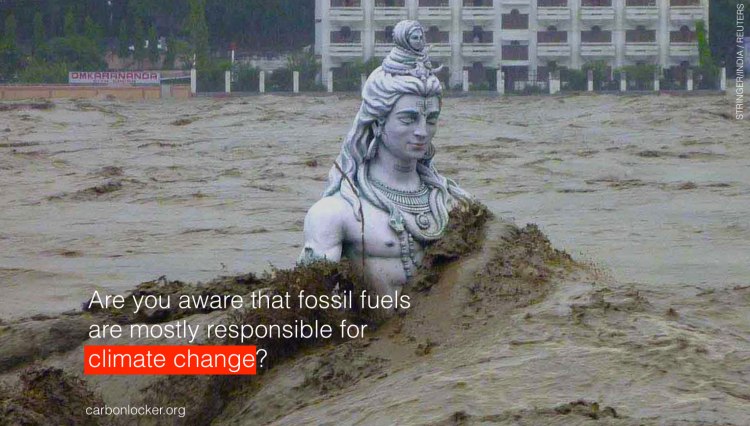
Have you regrettably suffered personal or property losses due to a natural disaster as a hurricane, tornado, typhoon or flooding?
Because climate change is such a slow process, effects take more time to be noticed; but effects are plenty and massive. We are just beginning to understand and measure the huge impact global warming is having on the Earth’s ecosystems and species, including our own. An increase of just 2ºC could have a huge impact on the way we live today. Expanding tropical diseases, raising sea level, shrinking glaciers, increasing ocean acidification, intensifying water and food scarcity, stronger and bigger storms, tornadoes and hurricanes, etc. The threats in this “Business as Usual” scenario are to many to count.
Measuring the full impact of climate change has proven to be a difficult task. But climate change isn’t the only consequence of fossil fuel consumption. Huge impact is produced also by fossil fuel pollution and recurring accidents from mining and transportation of fossil fuels. Profound damages that need to be careful studied and measured.
Coal pollution impact stands out among fossil fuels
Coal pollution is the major cause of climate change and weather disastrous events because of its global warming potential.
Coal mining, particularly surface mining, requires large areas of land to be disturbed. This raises a number of environmental impacts, including soil erosion, dust, noise and water pollution, and impacts on local biodiversity. Also causes acid rain, which damages crops, forests, and soils, and acidifies lakes and streams. Burning coal is also a leading cause of smog and toxic air pollution.
And how about water footprint: During coal extraction, transportation, storage, process and disposal, coal mining companies use up to 3.000 gallons of water per ton of coal.
Furthermore, coal plants, like most other steam-producing electricity plants, typically withdraw and consume water from nearby water bodies, such as lakes, rivers, or oceans, to create steam for turning their turbines.
When water is drawn into a coal power plant, millions of fish eggs, fish larvae, and juvenile fish may also come along with it. In addition, millions of adult fish may become trapped against the intake structures. Many of these fish are injured or die in the process.
Typically, coal power plants also add chlorine or other toxic chemicals to their cooling water to decrease algae growth. These chemicals are also discharged back into the environment. This water is hotter (by up to 20-25° F) than the water of the lake, river, or ocean that receive it, creating “thermal pollution” that can decrease fertility and increase heart rates in fish.
A typical coal plant uses enough water to fill an Olympic-sized swimming pool every three and a half minutes. To put it in global terms, that is about 8% of our total global water demand.
 Carbon Locker